Creating a productive home office environment is essential for anyone working remotely or freelancing. A well-designed workspace helps improve focus, reduce stress, and ultimately increase your overall work efficiency. Whether you have a dedicated room or a small corner of your living space, making the most of it does not have to be difficult. Here are some practical tips to help you create an effective home office environment.
Choose the Right Location
Selecting the right spot for your home office is the first step towards productivity.
– Quiet and Private: Ideally, pick a space away from household distractions such as the TV or high-traffic areas.
– Natural Light: A room with plenty of natural daylight can lift your mood and keep you alert.
– Comfortable Temperature: Avoid areas prone to drafts or excessive heat which may distract you.
Even if space is limited, try to carve out a dedicated area just for your work.
Invest in Ergonomic Furniture
Comfort plays a major role in maintaining focus for long periods.
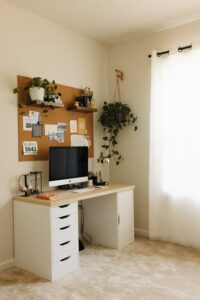
– Desk: Choose a desk with enough surface area to hold your computer, notebooks, and other tools without clutter.
– Chair: An ergonomic chair that supports your posture can prevent back and neck pain.
– Adjustability: Consider furniture that allows you to change positions during the day, such as sit-stand desks or adjustable chairs.
Good furniture doesn’t necessarily mean expensive. Look for second-hand options or affordable ergonomic choices within your budget.
Declutter and Organise
A tidy workspace promotes clear thinking and reduces stress.
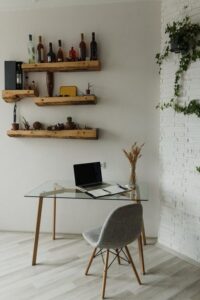
– Storage Solutions: Use shelves, filing cabinets, or boxes to keep papers and equipment organised.
– Minimise Items on Desk: Keep only the essentials on your desk to avoid distractions.
– Daily Clean-Up: Spend a few minutes at the end of each day tidying your area to start fresh the next morning.
Organising your digital workspace is equally important—clear files and bookmark important documents.
Optimise Lighting
Proper lighting reduces eye strain and improves productivity.
– Natural Light First: Position your desk near a window for natural daylight.
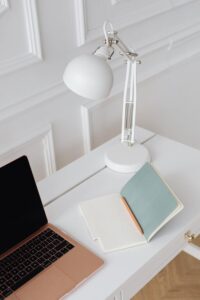
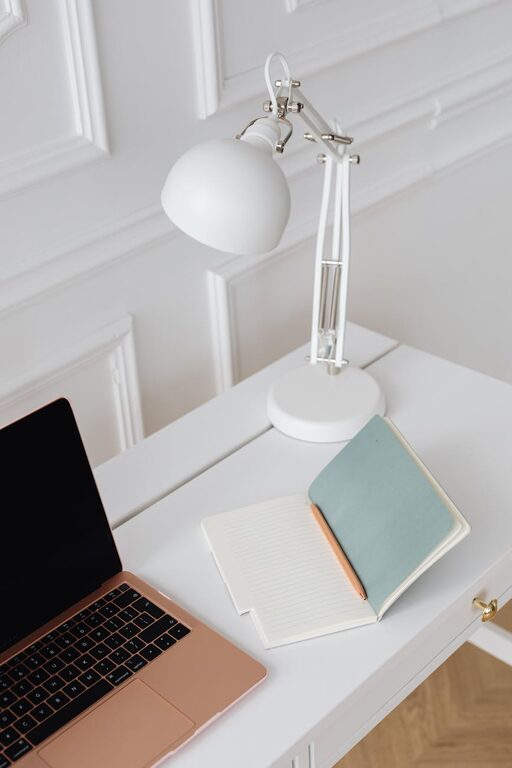
– Task Lighting: Use a desk lamp to brighten your work area, especially during darker hours.
– Avoid Glare: Arrange your screens and lighting to prevent reflections and shadows.
Consider using bulbs with a daylight colour temperature (around 5000K) for a balanced and energising light.
Minimise Distractions
Staying focused at home can be challenging with many interruptions.
– Communicate Boundaries: Let family or housemates know your work hours.
– Use Headphones: Noise-cancelling headphones or relaxing background sounds can help block out distractions.
– Turn Off Notifications: Silence non-essential alerts on your devices during work sessions.
If possible, establish a routine that signals to others when you are working and shouldn’t be disturbed.
Personalise Your Space
Adding personal touches can make your home office inviting and boost motivation.
– Plants: Indoor plants can improve air quality and add a touch of nature.
– Artwork: Inspirational prints or photos help create a positive atmosphere.
– Comfort Items: Cushions, rugs, or favourite mugs can make your day more pleasant.
Just be mindful not to overcrowd your space, which can become distracting.
Use Technology Wisely
The right tools can improve efficiency and communication.
– Reliable Equipment: Ensure your computer, internet connection, and peripherals are up to date and functioning well.
– Software: Use productivity apps such as calendars, to-do lists, or communication platforms to stay organised.
– Cable Management: Keep cables tidy with clips or sleeves to avoid a messy workspace.
Regular maintenance and updates help avoid technical interruptions during your working day.
Take Regular Breaks
Breaks are vital to maintain productivity over long periods.
– Follow a Schedule: Use techniques like the Pomodoro method (25 minutes work, 5 minutes rest).
– Move Around: Stand up, stretch or take a short walk to keep blood flowing.
– Step Outside: If possible, spend time outdoors for fresh air and natural light.
These breaks can improve focus and prevent burnout.
Maintain a Healthy Work-Life Balance
Working from home can blur the boundaries between your professional and personal life.
– Set Clear Working Hours: Define when your workday starts and ends.
– Create a Shutdown Routine: At the end of your day, power down your equipment and tidy away work materials.
– Separate Work and Leisure: Avoid working in spaces intended for relaxation like the sofa or bed.
This separation helps your mind switch off at the end of the day.
—
Creating a productive home office environment requires some planning and regular maintenance but brings many benefits. By choosing the right location, investing in comfortable furniture, reducing distractions, and organising your space, you can enjoy a more focused and enjoyable remote working experience. Remember, even small changes can make a big difference!